Why Does One Speaker Charge £2,000 and Another £15,000?
 Last updated: October 2026 · By Oly Newton
The short answer
Mostly, you're paying for profile, demand and certainty, not a better hour on stage. A £15,000 speaker usually has a bigger name, a fuller diary and a lower risk of things going wrong. That's worth paying for if you need a name to sell tickets or reassure a nervous board. It isn't automatically worth it if what you want is for your people to change something on Monday.
One UK agency's 2026 guide puts most keynote speakers between £1,000 and £15,000, with well-known names at £15,000 to £30,000 and celebrities above that (Speaker Agency). Here's what actually sits behind those numbers, from someone on the other side of the quote.
What the extra money actually buys
| What you're paying for | What it means for you |
|---|---|
| A recognisable name | TV, sport, a bestseller. It helps sell tickets and gets people in the room |
| Demand | A speaker booked solid can charge more. Their diary sets the price, not the talk |
| Lower risk | Years of big stages means fewer surprises. Some buyers pay extra purely to feel safe |
| Polish and production | Slick slides, video, a well-rehearsed show |
| The agency layer | Agencies typically take 20 to 25% commission, usually from the speaker's fee (Speaker Agency). Bigger names are more likely to be booked through one |
| Extras | Workshops, meet-and-greets, book signings, filming rights. Extra sessions often add 30 to 50% each |
| Travel and expenses | Some fees include them, many don't. Two quotes can look £1,000 apart on this alone |
All of these are legitimate. A name on a conference poster can make a real difference to who turns up. Just be clear which of these you actually need.
What it doesn't buy
Here's what a higher fee doesn't guarantee:
- A talk built for your people. Some of the biggest names deliver the same talk everywhere. That's fine if it's what you want. It isn't if you need it to fit your culture.
- Time with you before the day. The busier the speaker, the less time they often have for a briefing call.
- What happens afterwards. Nobody's fee covers the change in your organisation. That comes from the follow-up you plan.
- Relevance. An Olympic gold medallist and a lived experience speaker can both talk about resilience. Ask which one is talking about the thing your people are actually struggling with.
Fame and impact are not the same thing. The question isn't "who's the biggest name we can afford?" It's "who will make the biggest difference to this room?"
How to tell if a higher fee is worth it for you
Answer these five questions honestly.
- Do you need a name to fill the room? If it's a ticketed or external event, a big name can pay for itself. If it's your own staff, they're coming anyway.
- What do you want people to do differently? If you can answer that clearly, pick the speaker most likely to get them there, whatever they cost.
- How much will the talk be shaped for you? Ask every speaker on your shortlist. Compare the answers, not just the fees.
- What's actually in each quote? VAT, travel, expenses, Q&A, a workshop, filming. Line them up like for like before you compare.
- What would the difference buy instead? £10,000 saved on a speaker could fund manager training, a follow-up session, or support for the people who come forward.
If the higher fee wins on those five, book them. If it only wins on name, be honest that that's what you're paying for.
When the £15,000 speaker is the right call
Sometimes the bigger fee is exactly the right decision. Book the bigger name if:
- You're selling tickets. For an external conference or a public event, a recognisable name can pay for itself in attendance.
- You need to get senior people in the room. Some boards and leadership teams turn up for a famous name when they wouldn't for anyone else.
- The event is high stakes and low tolerance for risk. A big launch, a press-covered conference, a client event. Experience on huge stages is worth paying for.
- The name is the message. If an Olympian talking about pressure is the point of the day, no one else will do.
- You're opening a big multi-speaker event. A headline name sets the tone and lifts everyone else on the bill.
None of that is wasted money. It's just a different job from changing how your people talk about mental health on a Tuesday afternoon.
Why some brilliant speakers charge less on purpose
A lower fee doesn't always mean a less experienced speaker. Plenty of brilliant speakers price below what the market would pay them, on purpose. Common reasons:
- They're mission-led. Their goal is reach, not the highest fee. Keeping the price accessible means more organisations can say yes.
- They work a lot with schools, charities or the NHS. Public sector budgets are tight, and they've built their pricing around who they want to serve.
- They book direct. No agency commission means the same speaker can cost less.
- They include more. Travel, expenses, extra sessions, follow-up. A lower headline fee can hide a better deal.
So don't use price as a shortcut for quality, in either direction. Watch footage, read testimonials from organisations like yours, and have a call.
Where I sit, and why
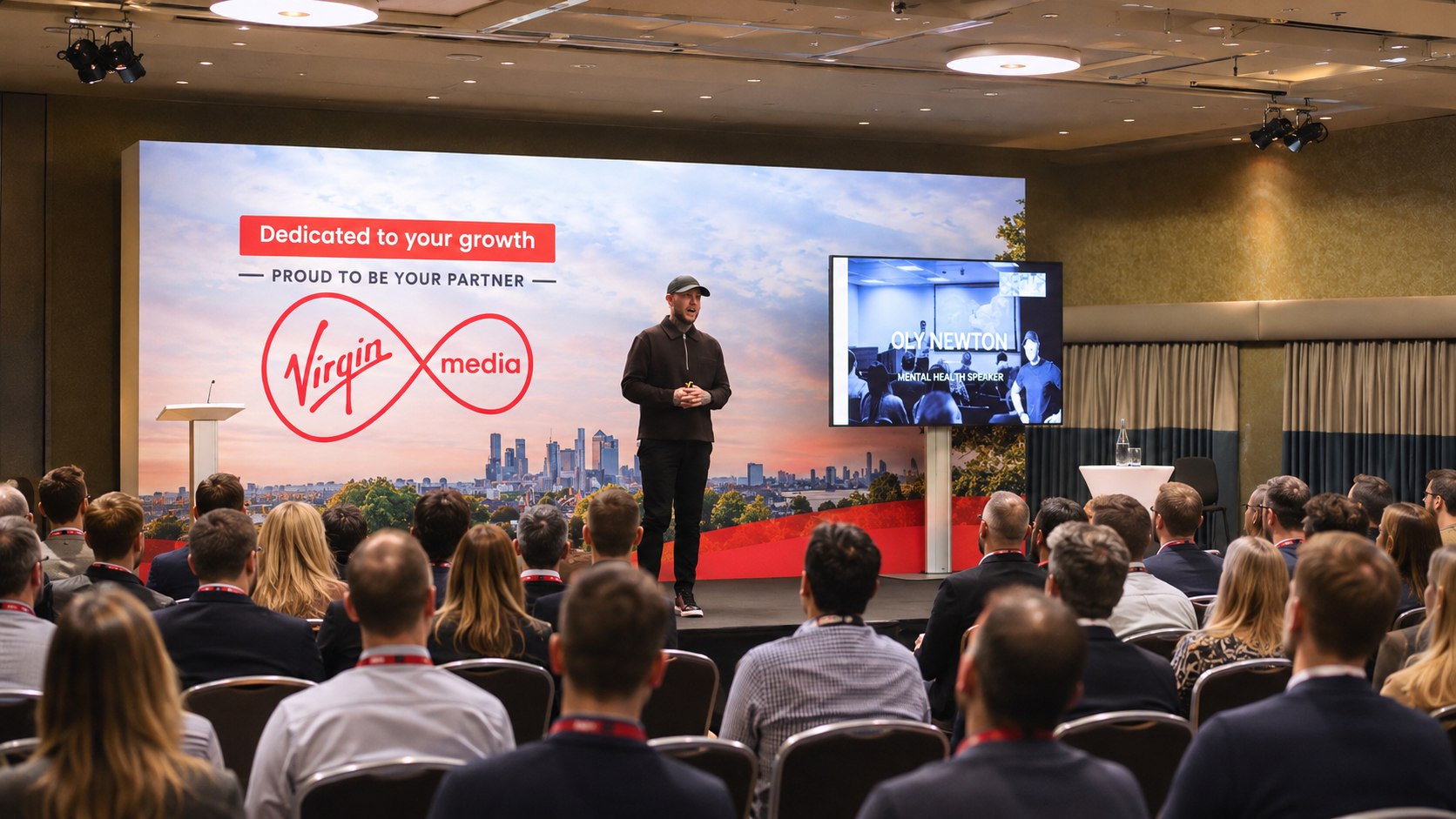
I'm a lived experience speaker. I've spoken for Microsoft, Burberry, GSK, the NHS, Tennis Canada and Vancouver FC.
| Format | Fee |
|---|---|
| In person keynote | £2,950 + VAT, all UK travel and expenses included |
| Online keynote | £2,350 + VAT |
| INSET session | £2,500 + VAT, plus up to three assembly talks for your students |
So why isn't my fee higher? Because it's a choice. I keep it where it is so more organisations can say yes, and every keynote funds up to three assemblies in a school of your choice. More bookings means more young people hear the story. That's the mission.
Whoever you're comparing, ask each speaker the five questions above, and book the one whose answers fit your room best. Sometimes that'll be me. Sometimes it won't, and that's fine.
See my keynotes and pricing · Should you book me? · Check my availability
FAQs
Why are some keynote speakers so expensive?
Mostly profile and demand. Household names, Olympians and bestselling authors charge more because they're in demand and their name helps fill rooms. Agency commission, production and extras add to it.
Is a more expensive speaker better?
Not automatically. A higher fee often buys a bigger name and lower risk, not necessarily a talk that's more relevant to your people.
How do I compare two speaker quotes?
Line them up like for like: VAT, travel and expenses, session length, Q&A, workshops and filming. Then compare how much each speaker will shape the talk for you.
Why would a good speaker charge less?
Some are mission-led, some mainly serve schools or the public sector, some book direct without agency commission, and some include more in their fee.
How much do most UK keynote speakers charge?
One 2026 agency guide puts most between £1,000 and £15,000, with well-known names at £15,000 to £30,000 and celebrities above that.