How to Brief a Speaker So the Talk Actually Lands
 Last updated: October 2026 · By Oly Newton
The short answer
Tell your speaker four things most organisers don't: what's going on in your organisation right now, what's sensitive, your own stories and support offer, and what you want people to do differently afterwards. The topic and the timings are the easy bit. Context is what makes a talk land.
I've been on the receiving end of hundreds of briefs. The best ones aren't the longest. They're the most honest. Below are the ten things I wish every organiser told me, plus a template you can copy and fill in.
Why most briefs fall short
Most briefs cover logistics. Date, time, room, audience size, topic. All useful. None of it tells the speaker what the room is feeling.
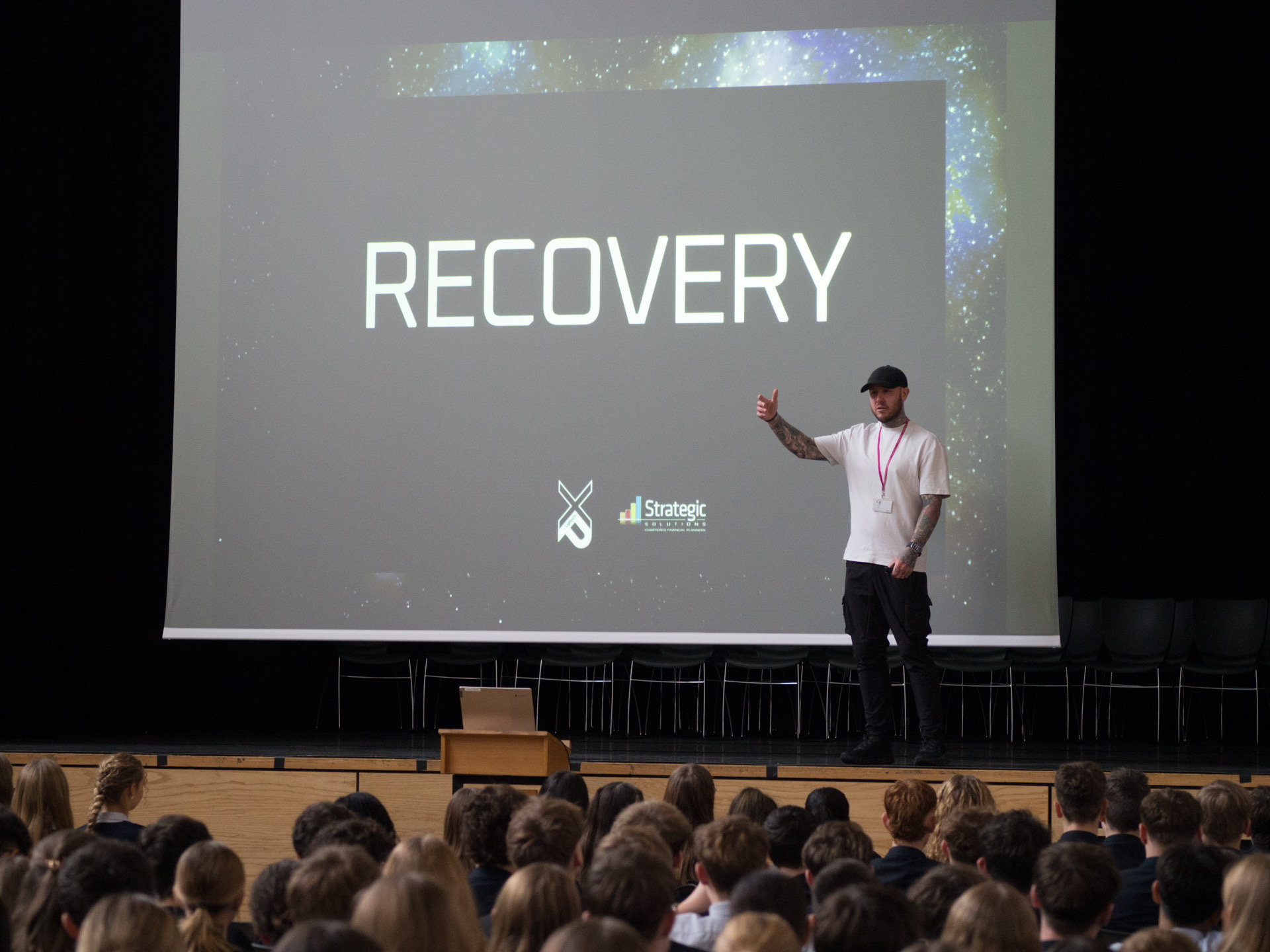
Before a talk for Vancouver FC, one of the staff leaned over just before I went on and said, "Good luck. They don't talk much, these lads." That one sentence told me more about the room than any form. As it happened, the questions afterwards kept coming. But imagine if I'd known that a week earlier, and shaped the talk around it from the start.
That's the gap. The most useful things a speaker can know are usually the things nobody thinks to write down.
The 10 things to tell your speaker
- The moment you're in. Restructure? Record year? A tough Ofsted? A loss in the team? This changes everything about tone.
- Why now. What made you book a speaker this year, for this event? The honest answer is usually the real brief.
- Who's in the room. Roles, seniority, rough age range, how many. Frontline staff and a leadership away day need different talks.
- The mood. Are people cynical, tired, excited, nervous? "They don't talk much" is gold.
- What's sensitive. Recent events, words to avoid, people in the room going through something. Tell the speaker in confidence. A good one will handle it carefully.
- The one thing you want them to do differently. Not "feel inspired". Something specific, like talk to their manager, use the support on offer, check in on each other.
- What else is on the day. Who's on before and after? Is your talk opening the day or closing it? Nobody wants three speakers telling the same story.
- Your language. What do you call your people, your values, your support offer? Using your words makes the talk feel built for you.
- Where people can go next. Your support, your networks, your policies. A good speaker will weave it into the talk and point people to it at exactly the right moment.
- The practical bits. Timings, tech, Q&A, filming, dress code, where to park. Still important. Just not the whole brief.
Why I ask for all this
I love to weave your stories and your support offering into my talk. Your people hear my story, but they also hear their own organisation in it: the moments that matter to you, your language, and exactly where they can go for help, at the point they're most likely to use it.
That only works if you tell me. The more you share, the more the talk feels like it was built for your room, because it was.
Extra for mental health talks
If your speaker is talking about mental health, add these. They matter more than anything else on the list.
- Who's trained. Do you have mental health first aiders? Will one be in or near the room?
- Your support offer. Your employee assistance programme, occupational health, wellbeing champions. Current details, not last year's.
- Anyone you're worried about. You don't need to name them. "We've had a bereavement in the team" or "we lost a colleague to suicide last year" is enough for the speaker to adjust what they share.
- What you've told staff. Do they know what the session covers? Do they know it's fine to step out?
- Capacity afterwards. Can your support handle more people coming forward? If the talk works, they will.
I'll always ask about your support before I ask about the stage. In all my years speaking, my only complaint was that too many people came forward afterwards and the organisation couldn't keep up. A good brief stops that happening. More on that in Can a mental health talk trigger staff?
A copy-and-paste briefing template
Copy this into an email and fill it in. Twenty minutes now saves a talk that misses.
| Question | Your answer |
|---|---|
| Event name, date and timings | |
| Where the talk sits in the day (opening, after lunch, closing) | |
| Who's on before and after | |
| Who's in the room: roles, seniority, numbers | |
| What's going on in the organisation right now | |
| Why you booked a speaker for this event | |
| The mood in the room: cynical, tired, nervous, excited? | |
| Anything sensitive we should know (in confidence) | |
| Words, names or topics to avoid | |
| Stories from your organisation we could weave in | |
| Your language: values, team names, support programmes | |
| The one thing you want people to do differently afterwards | |
| Where people can go for support | |
| Trained first aiders or support staff on the day | |
| What staff have been told about the session | |
| Tech, Q&A, filming and dress code | |
| Your main contact on the day, with mobile number |
What a good speaker should ask you back
A brief should be a conversation, not a form. If your speaker doesn't ask at least some of these, ask yourself why.
- Can we have a call before the day?
- What would make this a success for you?
- What's been tried before, and how did it go?
- Is there anything you'd rather I didn't say?
- What support is in place for people afterwards?
- Can I arrive early to get a feel for the room?
A speaker who asks more questions than you do is usually the one who'll land it.
If you're looking for a speaker who'll ask all of them, I'd love to hear about your event. See my keynotes · Should you book me? · Check my availability
FAQs
What should I include in a speaker brief?
What's going on in your organisation, who's in the room and their mood, anything sensitive, the one thing you want people to do differently, where they can get support, and the practical details.
How far in advance should I brief a speaker?
At least two to three weeks before the event, with a short call if you can. Send any late changes as soon as you know.
Should I tell a speaker about sensitive issues in the organisation?
Yes, in confidence. A good speaker uses it to avoid saying the wrong thing, not to repeat it on stage.
What extra information does a mental health speaker need?
Your support offer, who's trained, what staff have been told about the session, and whether anyone has been affected by a recent loss or crisis.
Do I need a call with the speaker as well as a written brief?
Ideally, yes. The most useful context often comes out in conversation, not on a form.