
How Do I Become a Lived Experience Speaker? (And Do What You Do?)
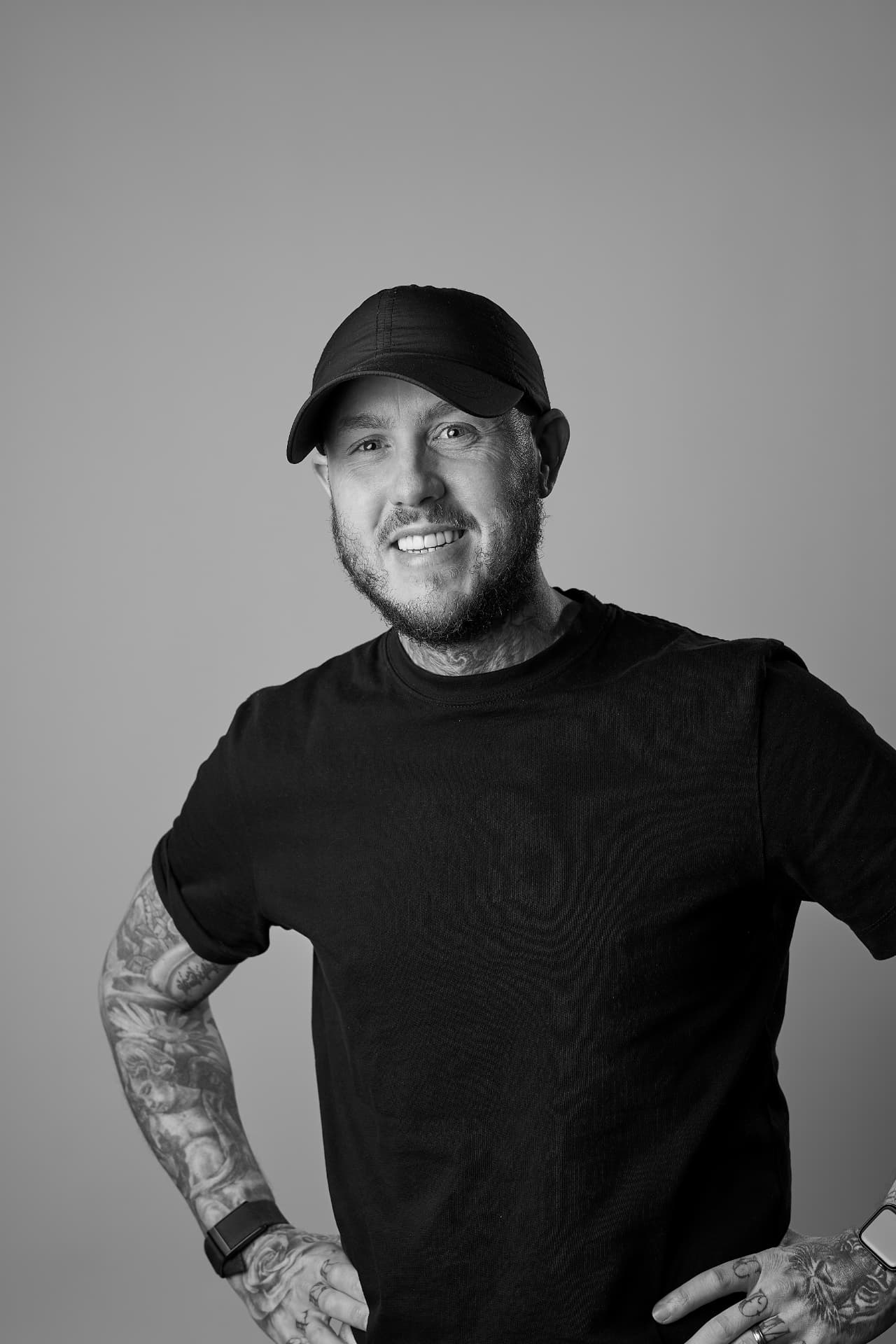 Last updated: October 2026 · By Oly Newton
The short answer
About once a week, a message lands in my LinkedIn inbox: "I'd love to do what you do. How do I start?"
My answer is always the same, and it's half a joke. I can't teach you to be me, and you can't be me. I'm just me.
But the serious half is this. Becoming a lived experience speaker comes down to five things:
- Being well enough to tell your story without it costing you.
- Turning your story into something your audience can use.
- Learning to hold a room safely when people open up.
- Saying yes to your first talk before you feel ready.
- Building it into a living, if that's what you want.
Here's what I've learnt about each one, including the bits nobody told me.
How I started, and what it taught me
I never planned to be a speaker. Public speaking was the thing I feared most. The only time I'd stood up in front of a crowd was being hauled in front of my year group in assembly to apologise for something.
Then I read a line that changed everything: learn to become comfortable feeling uncomfortable. Em asked me what the most difficult thing I could do was. We worked through it, and it came down to one answer. Public speaking.
- You won't feel ready. Go anyway. When my manager at Sky Betting and Gaming asked me to speak at an internal event about untold stories, I barely slept for days. I said yes anyway. I told my story to more than 200 colleagues, sat on a prop bed on the set of an ITV drama, hands shaking, voice wobbling. Afterwards, two of the leadership team pulled me aside and said, "We think you need to leave. This is what you need to be doing."
- Honesty travels further than polish. A late-night LinkedIn post about depression and running took off overnight. My first talks outside that business were for Microsoft, then Burberry, then GSK and Overbury. None of them booked me because I was slick. They booked me because it was real.
- Look at what organisations need right now. I started in 2021, just as organisations were coming out the other side of Covid. They knew their people were struggling. They couldn't afford therapy for everyone, but they could afford to start a conversation. That's where I came in. So ask yourself: what conversation does your story start, and who needs it today?
- Be you, not a copy. Over the years, I've put myself right up there as a leader in this space, and it comes down to three things. Authenticity, authenticity, authenticity. Your route in will look completely different to mine. Don't copy anyone. Including me.
Are you ready?
This is the most important section, so I'll be blunt. Wanting to help people is not the same as being ready to.
There's a saying in this world: speak from your scars, not your wounds. If telling your story still pulls you back under, it's not time yet. That's not failure. It's protecting the person who has to get up and do it again next week.
Ask yourself honestly:
- Can I tell the hardest part of my story and still be OK that evening?
- Do I have my own support, someone I can call after a heavy talk?
- Have I decided what I will never share on stage?
- Am I doing this to help the room, or to be healed by it?
That last one matters. The audience can't be your therapy. If any answer makes you wince, keep working on you first. Your story will still be there, and it'll land better for it.
Turning your story into a talk
A story is about you. A talk is about them. That's the shift.
Early on, my old employer put me through a public speaking course. It was TED style: polished, structured, slick from the front. It wasn't really my thing. I'm as vulnerable as they come, and the talk needed to feel that way, not look it. So don't let anyone sand the edges off you. Your rawness is the point.
What does need work is the shape. A few things that help:
- Find the one thing you want them to leave with. Not ten. One.
- Ask what your audience is carrying. Nurses, teachers and construction workers hear the same story differently. Shape it for the room.
- Give them something to use. A story moves people. A simple framework or habit gives them something to do on Monday. In my education talks, that's PAUSE from my book.
- Leave room for laughter. Heavy stories need air. Humour isn't disrespect, it's relief.
- Leave room for questions. Some of my best moments have been in the Q&A, not the talk.
Getting your first bookings
Nobody books a speaker they've never heard of. So the early job is getting heard.
- Start where you already are. Your workplace, your old school, your running club. My first talk was for my own employer. A friendly room is the best place to find out if you can do it.
- Share honestly online. I nearly wrote LinkedIn off as people congratulating each other on promotions. Then one late-night post about depression and running took off overnight. People respond to truth, not polish.
- Get it filmed. Bookers want to see you before they risk you. Even phone footage of a real talk beats a perfect showreel.
- Collect what people say. Ask organisers for a line of feedback after every talk. That's your future testimonials page.
- Say yes to the scary ones. Growth sits just outside what feels comfortable. It was true for me, and it'll be true for you.
Speaking safely
This is the bit that separates a lived experience speaker from someone with a sad story and a microphone.
After my first few talks, I noticed something. The talk sometimes felt like throwing a grenade into a room. I was always safe with what I shared, but people opened up afterwards, and the room needed someone who could hold that. So I trained as a Mental Health First Aid instructor through MHFA England. That's where I learnt how to hold a room properly when people start to disclose.
Whatever route you take, get these right:
- Follow Samaritans' media guidelines. If your story touches on suicide or self-harm, follow Samaritans' media guidelines. No methods. No detail that could harm someone vulnerable. I follow them in every talk.
- Get trained. Mental Health First Aid is a good place to start. It teaches you what to do when someone comes to you afterwards.
- Signpost every time. Every talk should end with where people can go for help.
- Check the organisation's support before you speak. If nobody's there to catch people afterwards, the talk can do harm.
In all my years speaking, I've had one complaint. It was that too many people came forward for support after my talk, and the organisation couldn't cope with the demand. That's why I'll always ask about support before I ask about the stage.
Making it a living
It can be. But don't quit your job on the strength of one good talk.
Even after my employer told me to go and do this full time, I held on for a while on a small contract, a few hours a week. Partly loyalty. Partly, if I'm honest, the free Sky package. It gave me a cushion while the bookings built up.
A few honest pointers:
- Know the market. UK agencies put newer and specialist speakers at roughly £1,000 to £3,000 a keynote. I've broken down the full picture in How much does a motivational speaker cost in the UK?.
- Don't rely on keynotes alone. Training, workshops and longer programmes give you steadier work. My MHFA instructor training became a big part of mine.
- Find your why beyond the stage. Mine became young people. Every corporate booking I take now funds assemblies in a school. That model is what turned a speaking career into a mission.
- Be patient. Word of mouth is slow, then sudden.
What nobody tells you
The stage is the easy bit. Here's the rest.
- The hangover after a heavy talk. You relive the worst parts of your life on stage, then drive home alone. Plan for that evening. Have someone to call, and don't book anything big for the next morning.
- You'll carry other people's stories. People will tell you things after a talk they've never told anyone. That's a privilege, and it's heavy. You need somewhere to put it, like supervision, a mentor or a trusted friend.
- Quiet months happen. Bookings come in waves around awareness dates and the school year. Some months will be empty. Build a cushion before you rely on it.
- You'll be asked to speak for free. A lot. Decide your rule early. Some free talks open doors. Most don't. Having a rule saves you agonising every time.
- Comparison will creep in. You'll watch other speakers and wonder if you're doing it right. Go back to authenticity. Your story is the one thing nobody can copy.
One last thing
I can't teach you to be me. But if your story's ready to be told, the world needs it. Somebody in that room is waiting to hear that they're not the only one.
And if you're reading this because you'd love your own organisation or school to hear a story like this, I'd love to help. See my keynotes · Check my availability
FAQs
How do I become a lived experience speaker?
Make sure you're well enough to tell your story safely, shape it around what your audience needs, get trained to handle disclosures, and start with friendly rooms like your own workplace.
Do I need qualifications to be a mental health speaker?
No formal qualification is required, but training such as Mental Health First Aid helps you support people who open up after a talk.
How do I know if I'm ready to share my story?
If you can tell the hardest part and still be OK that evening, and you have your own support in place, you're probably close. If it pulls you back under, give it more time.
How much do new lived experience speakers charge?
UK agencies put newer and specialist speakers at around £1,000 to £3,000 per keynote.
Is it safe to talk about suicide in a talk?
It can be, if you follow Samaritans' media guidelines, avoid harmful detail, signpost support and check the organisation has support in place.